
Case Study Making Room for People: How Redland Hills Church Raised $850,000 Against a $500,000 Goal
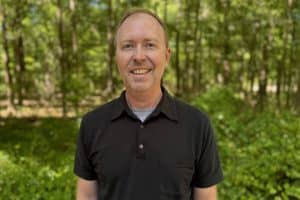
When Pastor Wes Gunn and his wife planted Redland Hills Church in a fast-growing community just outside Montgomery, Alabama, they started with a handful of families in a neighborhood clubhouse. That was January 2014. Twelve years later, the church has grown to more than 500 people, and the building they once dreamed about had become too small for the people God kept sending.
This is the story of how Redland Hills made room for what’s next, and what happened when a congregation decided not to wait for the “perfect” time.
The Results at a Glance
- $500,000 original campaign goal
- Nearly $850,000 pledged on Commitment Sunday, 70 percent over goal
- $100,000 above INJOY’s faith-goal projection of $750,000
- Over $200,000 in cash given that single Sunday
- First mortgage paid off in full
- 250 percent worship capacity increase planned in Phase Two

A Church That Kept Outgrowing Its Space
Redland Hills was born in a community where new schools and neighborhoods were going up fast, yet no new church had been planted there in more than two decades. Wes and his wife sensed a calling to change that. After three years in a clubhouse and a year in an elementary school, the church bought eight acres of land and built its first permanent home.
But as Wes puts it, a young church plant can’t build what it wants. It builds what the bank will lend. The first phase was always meant to be just that, a phase.
Coming out of the pandemic, both Sunday services filled up. With no other options in their community, the path forward was clear: expand the current facility. The plan was ambitious. Increase worship capacity by 250 percent, add the staff offices the building never had, and create new classroom space for a growing ministry to families.
“We didn’t really have any other options in our community besides an addition to our current facility. We knew we would need some help to make that a reality. That’s why we reached out to INJOY.”
The Process: A Blueprint Built Around the Church
Redland Hills first reached out to INJOY in July 2024. From the start, the goal wasn’t a hard sell. It was helping the church make an informed decision. After signing in the fall, the church was paired with their consultant, Jeff, who came alongside the team to build a campaign blueprint tailored to Redland Hills.
That blueprint did several things at once. It mapped the campaign timeline around the church’s existing calendar and major events. It included a financial analysis that helped leadership understand both a realistic minimum and a true faith-stretch goal. And it organized volunteers into clear roles across every area, from kids to youth to marketing to communications.
The team met for several months to plan. Beginning in January, key leaders gathered for intimate dinners where Wes could share the heartbeat of the vision in a personal setting. In March, the church cast that vision to the whole congregation, with INJOY helping shape the message so it was both clear and genuinely exciting. That kicked off three weeks of prayer and discernment, a church-wide journey that even engaged the kids, leading up to Commitment Sunday after Easter.
Commitment Sunday: A Goal Exceeded by 70 Percent
The goal was $500,000.
INJOY’s own faith-goal projection topped out around $750,000, the kind of number reserved for a near-miraculous outcome. Nobody on the leadership team, and nobody in the congregation, expected to hit it.
On Commitment Sunday, Redland Hills received pledges of nearly $850,000, exceeding even that faith goal by $100,000. More than $200,000 in cash came in that single Sunday. The church was able to pay off the remaining balance on its first mortgage, and as new pledges arrive, those funds go directly toward the Phase Two vision.
“There was nobody on our leadership team and nobody in our church that thought we would hit what we did. When you have moments like that, there’s a lot of excitement and energy that goes forward to say, look what we can do when we seek the Lord.”
More Than a Building
For Wes, the numbers were never the point. They were a means to a mission.
On launch Sunday, the church framed the campaign around a simple truth: this is more than a building. It’s a heart for people, and those people have names. They created a large mural of Jesus on the wall and invited people to post the names of those they were praying for, written on pieces of wood cut from the very land the new space would be built on. That mural still hangs in the worship space today as a reminder of why any of this matters.
Wes had one quiet worry going in: would a major building campaign hurt the church’s other giving? The answer turned out to be the opposite. The congregation became more generous. In the same season, Redland Hills also funded a surgeon at a mission hospital in Malawi for an entire year and partnered with an agency to purchase and forgive $3.6 million in medical debt for families in their own county.
“Sometimes the people you don’t expect to have a lot of resources surprise you with some of the greatest generosity. It’s just beautiful to see the way people engaged.”
The Questions Every Board Asks
Redland Hills wrestled with the same questions most church leaders face before a campaign. Here’s how Wes answered them, having now lived through it.
“What will this do to our regular giving?” Not only did regular giving hold, the church grew more generous across the board, funding major local and global mission projects in the same season.
“Shouldn’t we wait for more economic stability?” Redland Hills committed in a genuinely uncertain time, in the middle of national tariff and economic anxiety. Their conclusion: there is never a moment when everyone feels great about the economy. Waiting on expansion in a growing community would have ultimately hurt the mission. They planned wisely instead, padding the budget for possible cost increases. The result? With more than a third of the project’s expense now locked in, cost increases have been far smaller than anticipated.
“Why spend money to raise money?” Wes was candid that the upfront investment was significant. But the expertise, the financial analysis, and the experience INJOY brought weren’t things the church had in-house, and doing it themselves would have pulled staff away from ministry they were already paying for. Measured against what was raised and pledged, the campaign cost was minimal and produced a far greater result.
“Y’all were able to see incredible things and trend lines that helped us look at the data, not just the emotion of a project. That analysis, most churches are not going to have in-house. That expertise gave us confidence moving forward.”
Wes’s Advice to Other Pastors
Redland Hills did its homework. The church interviewed multiple organizations before choosing INJOY, and what stood out was fit: INJOY matched their DNA, their context, and the way they wanted to do ministry. The outside perspective helped them see things they couldn’t have seen on their own, and the financial analysis gave them confidence to move step by step.
“We felt like INJOY fit with our DNA. The expertise helped us make good decisions step by step, and we were able to see things from an outside perspective that we would not have considered or couldn’t see ourselves.”

Talk to an expert